What Sets Flyboarding Apart from Parasailing in Dubai?
Understanding the Difference Between Flyboarding and Parasailing
When you are planning a day on the water in Dubai, two activities often come up: flyboarding and parasailing. Both are thrilling water sports, but they deliver very different experiences. Flyboarding is a powered, solo ride that lifts you above the surface using a jet-powered board strapped to your feet. Parasailing, by contrast, involves being towed behind a boat while harnessed to a large parachute, soaring high above the water. The key difference lies in control, speed, and the kind of thrill you are after.
Flyboarding puts you in the driver's seat. You steer, balance, and control your altitude using a handheld throttle. Parasailing is more passive: you sit in a harness and let the boat and wind do the work, enjoying a scenic aerial view. For many visitors to Dubai, the choice comes down to whether you want an active, tech-driven challenge or a relaxed, panoramic ride.
How Flyboarding Works
Flyboarding uses a device that looks like a small surfboard with a water jet underneath. A hose connects the board to a personal watercraft or a specially equipped boat, which pumps water at high pressure through the board. The rider stands on the board and uses a handheld remote to control the throttle, which adjusts the power of the jet. By shifting weight and leaning, the rider can rise several feet above the water, turn, and even perform tricks.
The learning curve is real. Most first-timers need a few minutes to get the hang of balancing and finding the right throttle position. Once you are up, the sensation is closer to flying than to surfing. You can reach speeds that make the wind rush past, and the board responds to subtle movements. It is a physically engaging activity that works your core and legs.
How Parasailing Works
Parasailing is older and more established. A harness attaches you to a parachute-like canopy, which is connected by a long towline to a boat. As the boat accelerates, the canopy fills with air and lifts you gently off the deck. You sit back in the harness and rise to a height that can reach 30 to 40 metres above the water, depending on the length of the towline and the boat's speed. The ride is smooth and quiet, offering uninterrupted views of the coastline.
There is very little physical exertion. You simply sit and enjoy the ride. The boat driver controls the altitude and speed, so you can relax and take in the scenery. Parasailing is often done in pairs or triples, with multiple people sharing the same canopy. This makes it a social activity suitable for groups or families.
Key Differences at a Glance
- Control: Flyboarding is fully rider-controlled; parasailing is controlled by the boat operator.
- Physical effort: Flyboarding requires balance and core strength; parasailing demands almost none.
- Height and speed: Parasailing takes you higher (up to 40 metres) but at a steady, moderate speed; flyboarding keeps you lower but lets you move fast and change direction.
- Learning curve: Flyboarding has a steeper learning curve; parasailing is accessible to almost anyone on the first try.
- Duration and intensity: Flyboarding sessions are typically shorter and more intense; parasailing rides last longer and feel more leisurely.
Which One Suits You?
Your choice depends on your personality and what you want from the experience. If you enjoy mastering a skill, feeling the spray, and having direct control over your movement, flyboarding is the obvious pick. It appeals to people who like jet skis, wakeboarding, or snowboarding. The thrill comes from learning to balance and from the quick, responsive motion of the board.
Parasailing is better for those who want a serene, bird's-eye view of Dubai's skyline, the Palm Jumeirah, and the Arabian Gulf. It suits people who prefer a calm but spectacular ride, perhaps with a partner or family member beside them. The experience is less about physical skill and more about the setting and the sensation of floating.
Practical Considerations for Dubai Visitors
Dubai's warm waters and calm sea conditions make it an ideal place for both sports. The city's marina areas and open coastlines offer plenty of space for flyboarding and parasailing operations. Most providers offer safety briefings, life jackets, and trained guides. For flyboarding, you will typically be given a short practice session in shallow water before heading out. Parasailing requires only a quick harness check and a brief safety talk.
Weather matters. Flyboarding can be affected by choppy water, which makes balancing harder. Parasailing is more tolerant of moderate wind, but strong gusts can lead to cancellations. Both activities are usually available year-round, though summer months can be very hot. Early morning or late afternoon slots are popular for the cooler temperatures and better light.
When booking, look for operators that use well-maintained equipment and have clear safety procedures. A reputable provider will explain the risks and ensure you are comfortable before starting. For flyboarding, check that the board and hose are in good condition and that the personal watercraft or boat providing the water pressure is powerful enough. For parasailing, confirm that the harness fits properly and that the towline and canopy are inspected regularly.
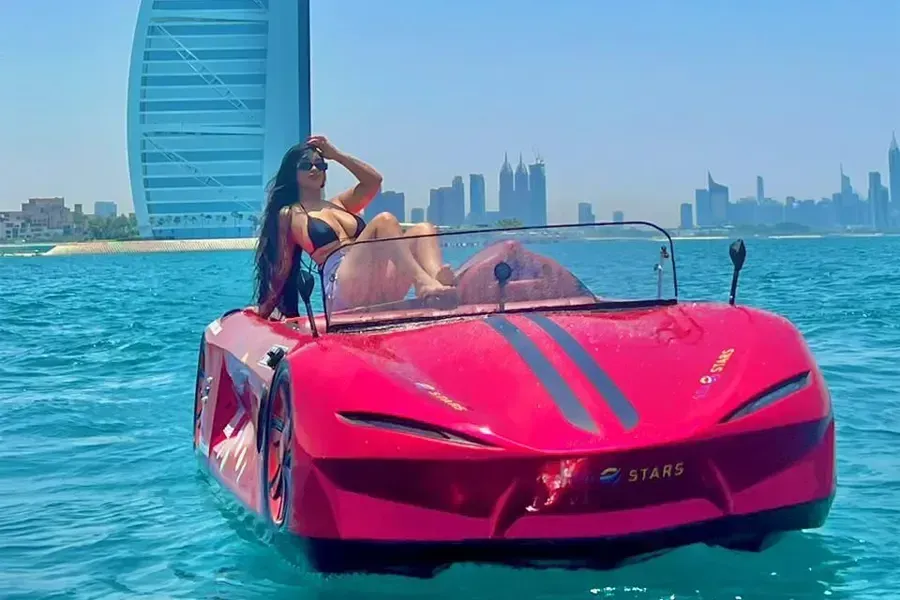
One provider that offers both activities in the Dubai area is Sunset Yacht Dubai. As a water sports service, Sunset Yacht Dubai includes flyboarding and parasailing among its options, alongside jet skis and jet cars. The company operates from the Dubai Marina and other coastal spots, giving guests easy access to the water. If you are looking to try either sport, it is worth checking what is available on the day and whether you can combine an activity with a yacht outing.
Another name to note is sunsetyachtdubai.luxuryyachtrental-dubai.com, which also lists flyboarding and parasailing as part of its watersports lineup. The site provides details on booking and safety, making it a useful resource for planning your trip. As with any water sport, read the instructions carefully and listen to the guide's briefing. Both flyboarding and parasailing are safe when done properly, but they demand different levels of attention and effort.
Making the Most of Your Experience
If you have time, consider trying both. They are complementary rather than competing. Start with parasailing to get a feel for the water and the view, then follow up with a flyboarding session to test your balance and reflexes. Many people find that the confidence gained from one activity helps with the other. You can also mix in a jet car ride or a jet ski session for a full day of water sports.
What you wear matters. For flyboarding, a swimsuit or quick-drying clothes are best. Water shoes can help with grip on the board. For parasailing, light clothing and sunglasses are fine, though you might want to secure loose items so they do not blow away. Sunscreen is essential for both, as the sun reflects off the water and can burn exposed skin quickly.

Photography is a consideration. Parasailing offers incredible photo opportunities from above, but you will need a waterproof camera or a secure strap. Flyboarding is harder to photograph yourself because you are focused on balancing. Many providers offer a photo or video package, or you can ask a friend on the boat to capture shots.
Final Thoughts
The difference between flyboarding and parasailing comes down to the type of thrill you seek. Flyboarding is an active, skill-based sport that puts you in control. Parasailing is a passive, scenic ride that lets you relax and absorb the surroundings. Both are available in Dubai through operators like sunsetyachtdubai.luxuryyachtrental-dubai.com and Sunset Yacht Dubai, and both offer a memorable day on the water. Choose based on your comfort with physical effort and your desire for control or calm. Either way, you will leave with a new perspective on Dubai's coastline.